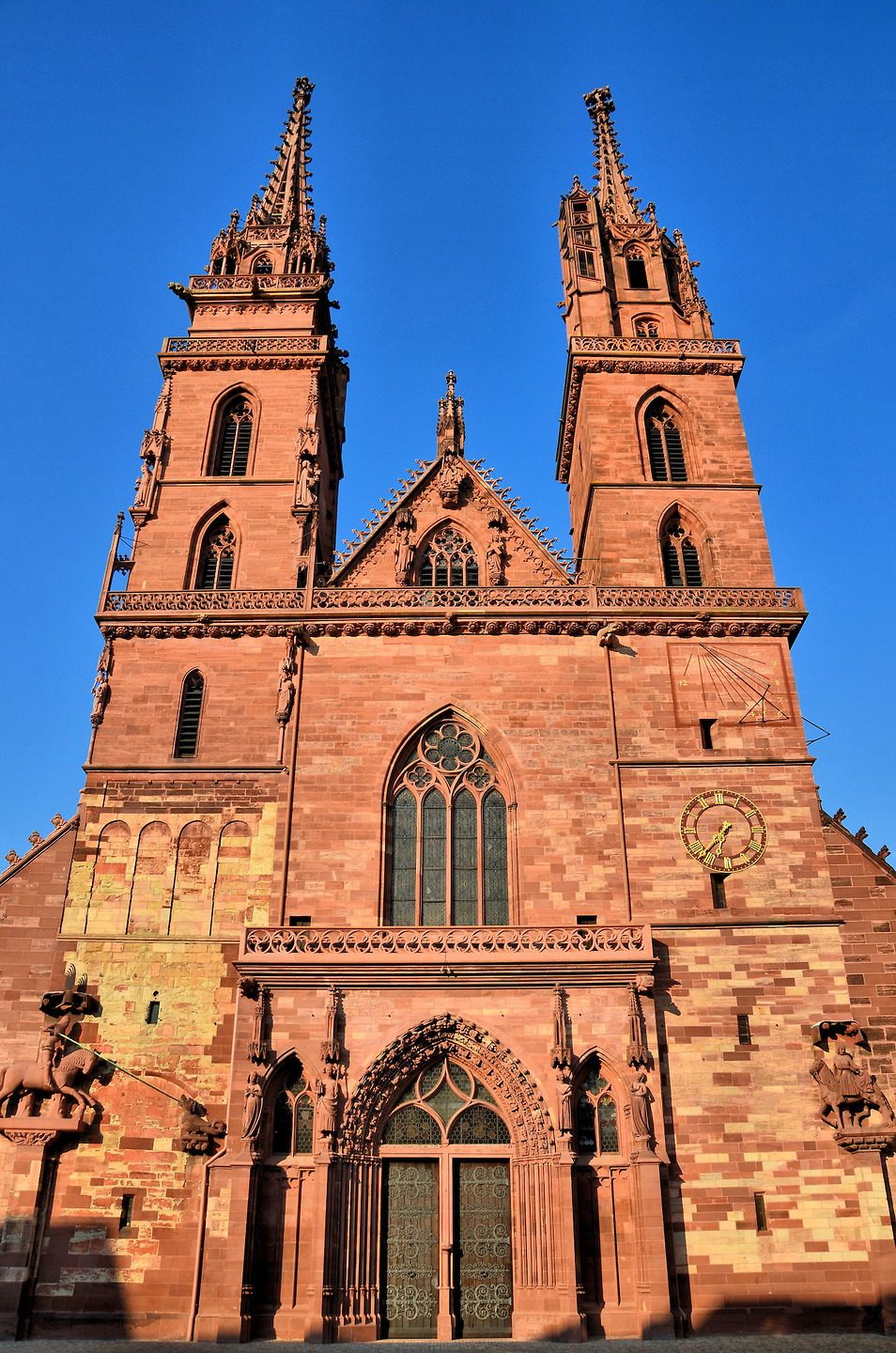
Basel Minster
This Gothic cathedral, constructed from red sandstone, features two prominent towers and serves as a landmark of the city skyline.
Climb the tower stairs for a wide view of the river.

Basel sits at the intersection of three countries, holding more museums per capita than nearly any European city. The question isn't whether Basel offers something to see—it's whether what it offers matches what you're looking for. This guide weighs the city's strengths against practical realities to help you decide.
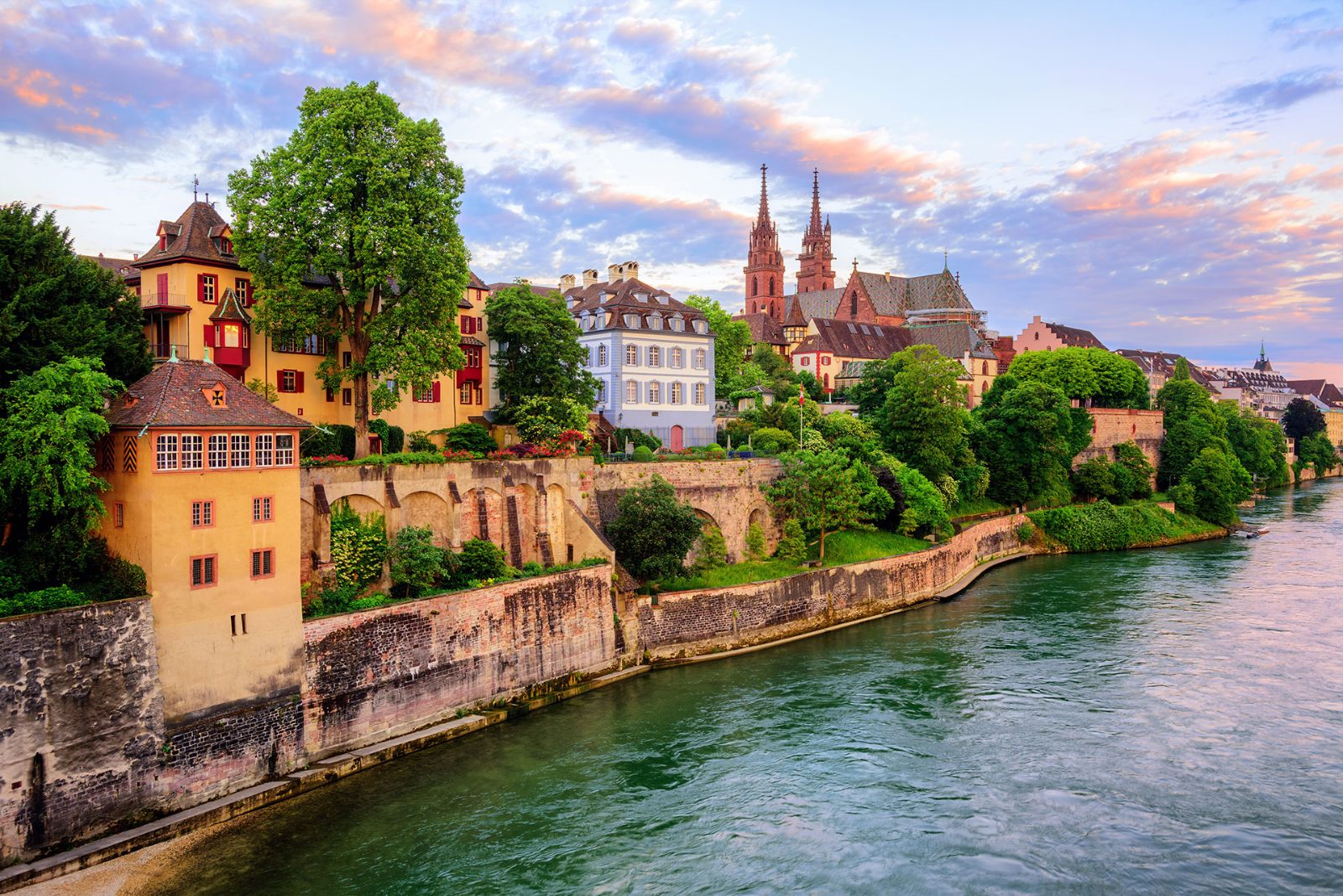
Quick answer
Yes, Basel is worth visiting if you value art, architecture, and a walkable historic core over conventional tourist spectacle. The city is accessible year-round from 00:00 to 23:59 with free entry to its public spaces, though individual museums and attractions charge separate fees. Plan to arrive between 09:00 and 17:00 to experience the Old Town, riverfront promenades, and world-class galleries at their best.
Basel operates forty museums within a city of fewer than two hundred thousand residents, a density that places it among Europe's leading cultural centers. The Kunstmuseum holds the world's oldest public art collection, and the Fondation Beyeler ranks among the continent's most-visited contemporary spaces. Beyond the galleries, the Altstadt unfolds in tightly layered streets where Romanesque meets Modernist, and the Rhine carves a clean line between medieval Basel and the industrial quarter that now hosts design studios and riverside restaurants. Whether Basel merits a visit depends on what you prioritize. The city rewards slow exploration—its appeal lies in architectural detail, curated exhibitions, and the rhythm of a place that never chased mass tourism. If your travel style leans toward landmark photography and evening entertainment, Basel will feel quiet. If you prefer depth over breadth, the city delivers. The Rathaus courtyard, Münster terrace, and Mittlere Brücke offer substance without requiring tickets, and the public ferry system operates as everyday transport rather than tourist attraction. Visiting Basel means engaging with a working city that happens to hold exceptional cultural assets. The Old Town remains navigable on foot, with most key sites clustered within a twenty-minute walk. The Rhine promenade connects neighborhoods without requiring a map, and the tram network reaches every district. Summer brings Rhine swimming and open-air concerts; winter centers on museum interiors and the Christmas market in Barfüsserplatz. Spring and autumn offer moderate weather and fewer crowds, though Basel never reaches the saturation levels of Zurich or Lucerne. The city's location at the German and French borders adds logistical flexibility—EuroAirport serves all three countries, and rail connections run to Freiburg, Strasbourg, and Bern within an hour. Day trips extend the range, but Basel itself rewards at least two full days. One day covers the Altstadt and riverfront; a second allows time for the Kunstmuseum or Beyeler, plus exploration of the Kleinbasel district across the water. If Switzerland's art capital aligns with your interests, the answer is straightforward.
“Basel operates forty museums within a city of fewer than two hundred thousand residents, a density that places it among Europe's leading cultural centers.”
Basel is best visited between April and October when the weather allows for comfortable exploration of the city's outdoor spaces and historic districts. During these months, the city provides an ideal environment for cycling and walking tours.
Mild, 12°C to 22°C
Spring brings blooming parks and pleasant conditions for city walks. This is a favorable period for outdoor activities before summer heat peaks.
Warm, 18°C to 28°C
Summer is the season for river swimming in the Rhine and various open-air events. Expect higher visitor numbers near major attractions.
Cool, 10°C to 20°C
Autumn offers stable, cooler weather and fewer crowds than summer. This timeframe is well-suited for visiting museums and exploring the Old Town.
—
Arrivals during the 09:00–17:00 window ensure full access to shops and cultural sites. Starting your day early maximizes your time for city exploration.
Verdict: The best experience is found mid-week between Tuesday and Thursday during the months of April, May, September, or October, arriving within the 09:00–17:00 window.
Basel offers a distinct architectural and cultural character defined by its blend of historical preservation and contemporary design. Exploring these landmarks provides a clear view of the city's development along the Rhine.
This Gothic cathedral, constructed from red sandstone, features two prominent towers and serves as a landmark of the city skyline.
Climb the tower stairs for a wide view of the river.
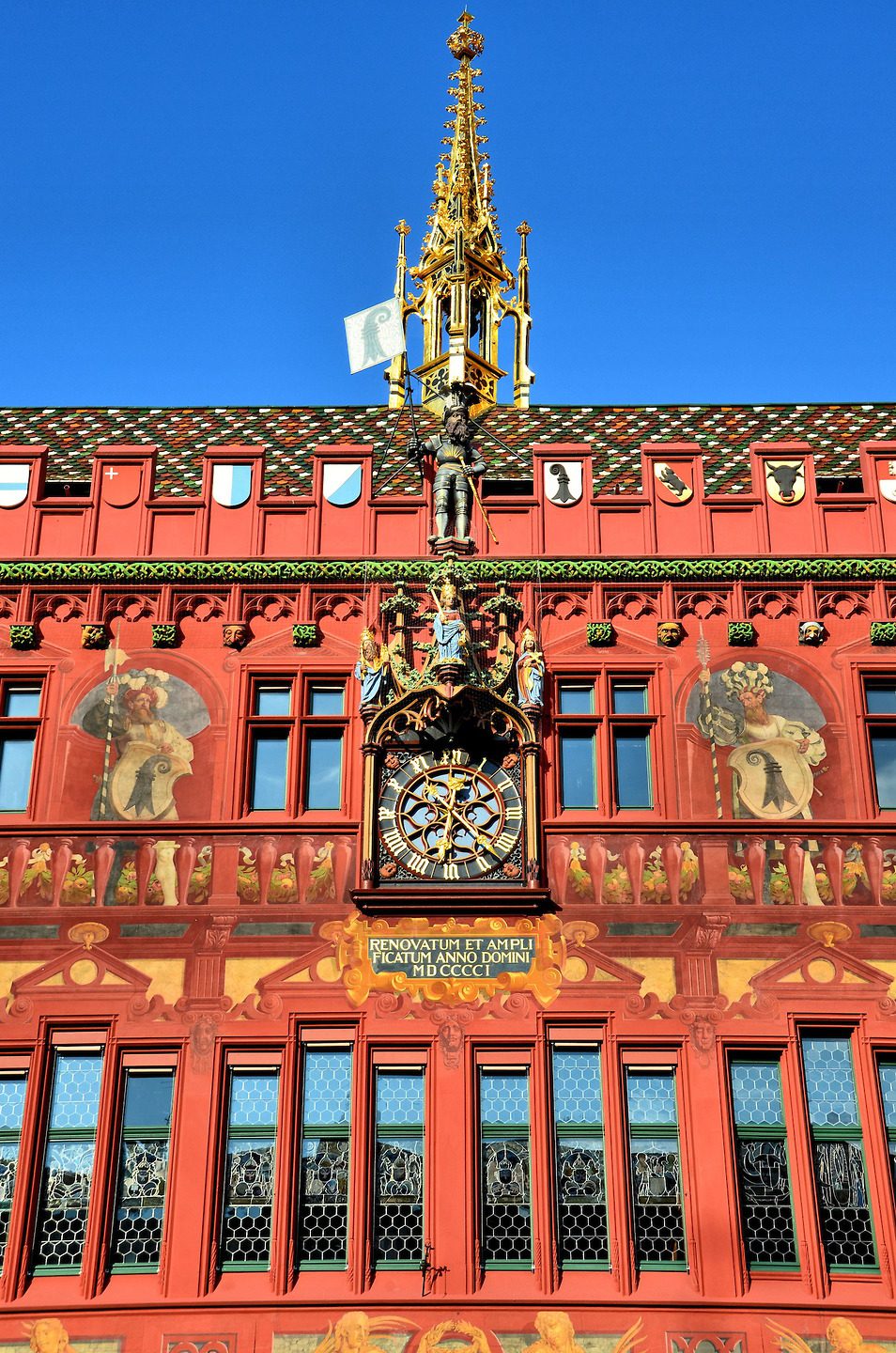
Located in the Marktplatz, this building is recognized by its ornate red facade and decorative frescoes.
View the interior courtyard to see the historic guild architecture.
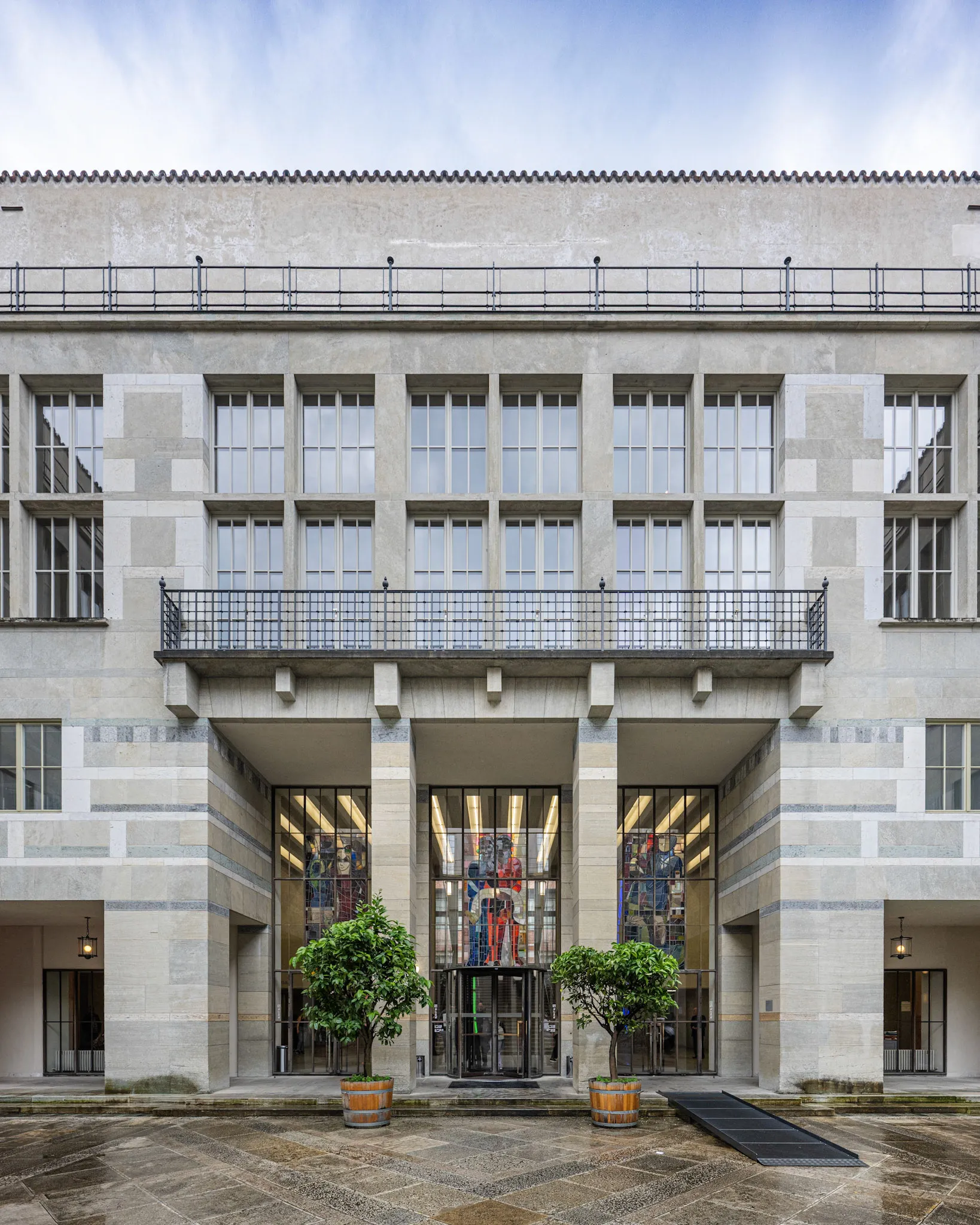
Known for housing the oldest public art collection in the world, this museum spans works from the Renaissance to modern periods.
Visit the modern annex via the underground passage.
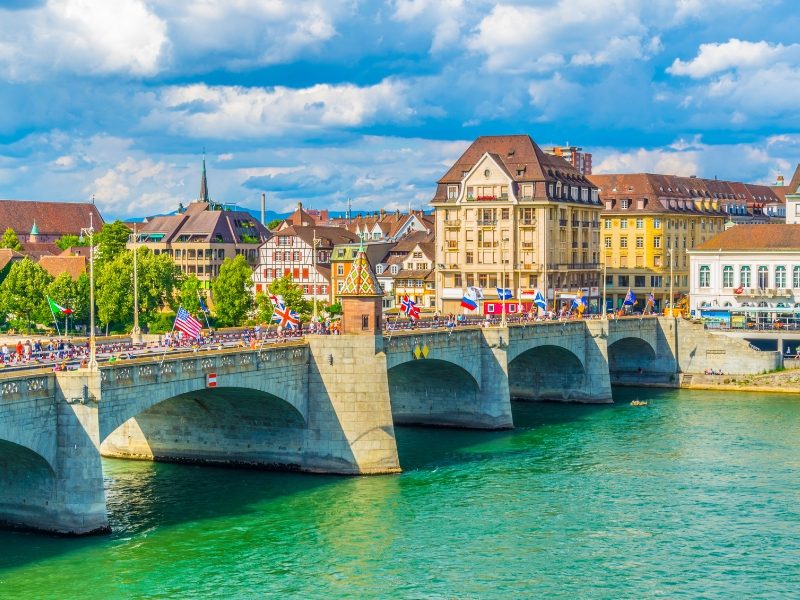
This historic bridge spans the Rhine and connects the Great Basel and Little Basel districts.
Walk the bridge at sunset to watch the river traffic.
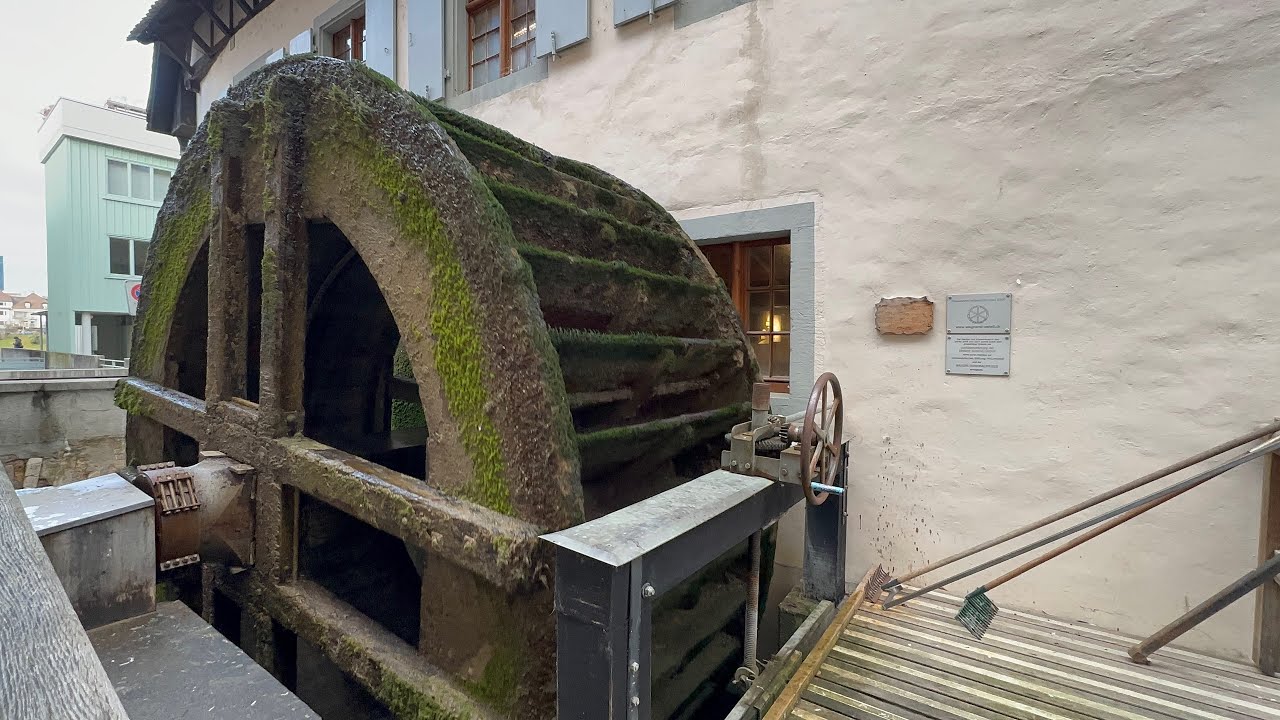
Housed in a medieval mill, this museum documents the history of paper, writing, and printing technologies.
Try the hands-on paper making demonstration in the basement.
Basel is situated at the intersection of Switzerland, France, and Germany, making it highly accessible via an integrated regional transport network. The most efficient approach for visitors is arriving by train at one of the central railway stations.
SBB/CFF/FFS to Basel SBB station
Lines 1, 2, 8, 10, or 11 to Basel SBB
A3 or A2 motorway to Basel city center
Arriving at Basel SBB allows immediate access to the tram network and the Old Town. Aim to reach the city center within the 09:00–17:00 window to ensure full availability of local transport and services.
Visiting Basel requires no entrance fee for the city itself, as public access to streets and historic districts is unrestricted. Individual attractions, such as museums or galleries, maintain their own separate admission fee structures.
Verdict: A typical visitor pays 0 CHF to explore the city, with total costs depending solely on the number of specific attractions or museums chosen.
Basel is accessible to visitors at all times, as the city remains open throughout the week. This allows for flexible planning when considering if Basel is worth visiting.
Basel serves as an efficient hub for exploring the border region where Switzerland, France, and Germany converge. Its central location allows for easy transitions between urban cycling routes and nearby international landmarks.
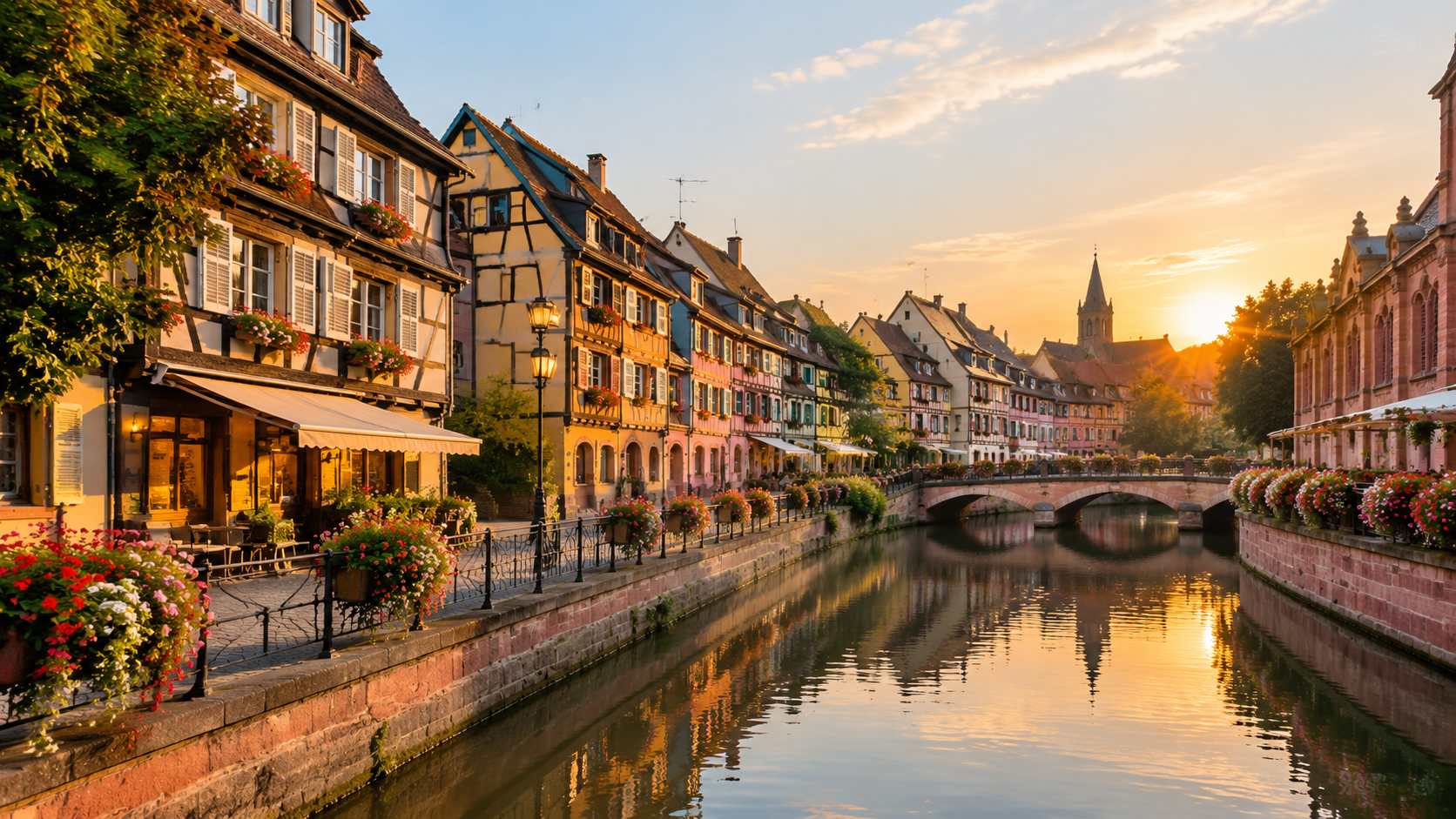
50 min by train
This Alsatian town features well-preserved medieval architecture and canals that complement the historic atmosphere of Basel.
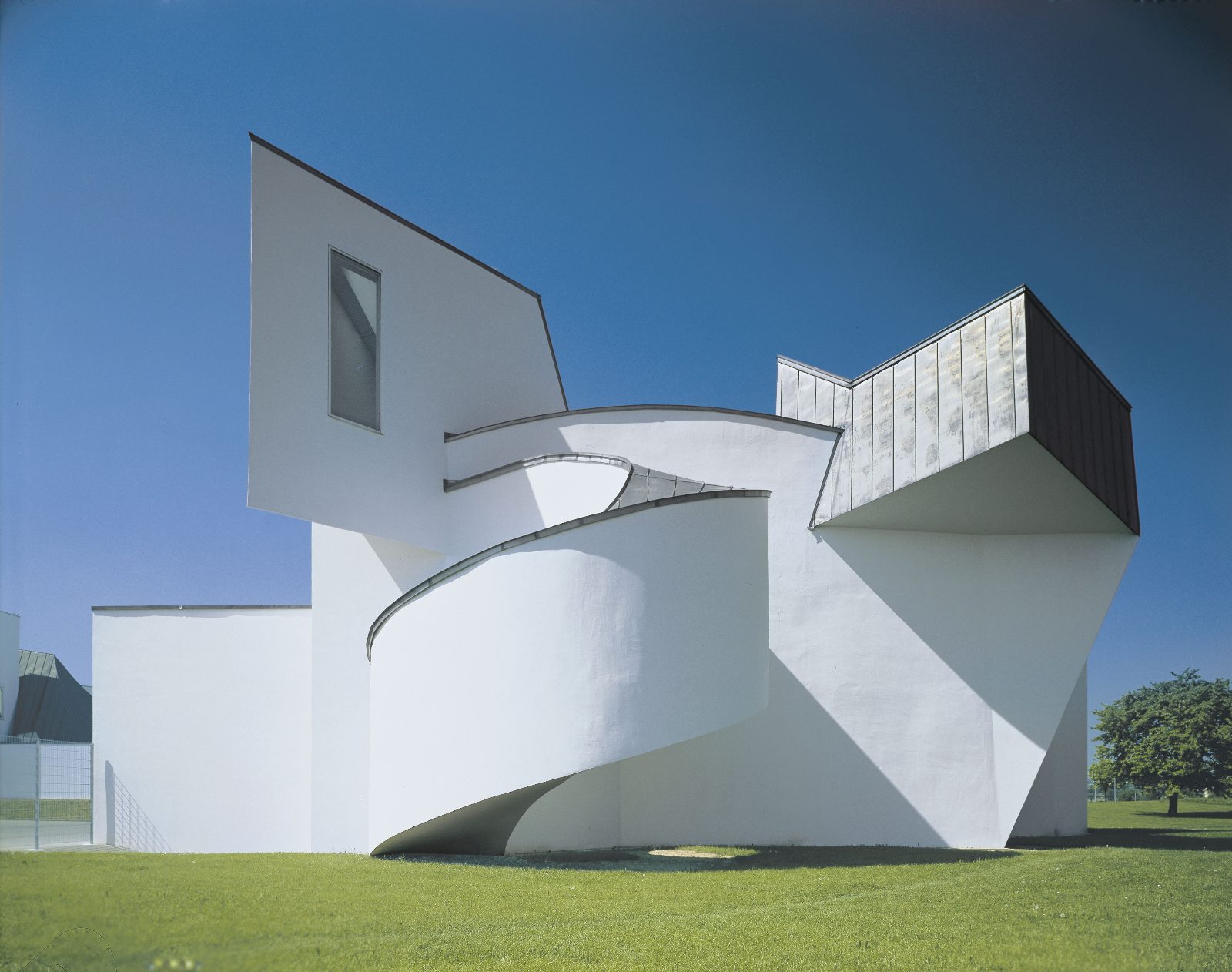
20 min by tram
Located in Weil am Rhein, Germany, this museum offers world-class industrial design and contemporary architecture accessible via a short cross-border journey.
30 min by bike
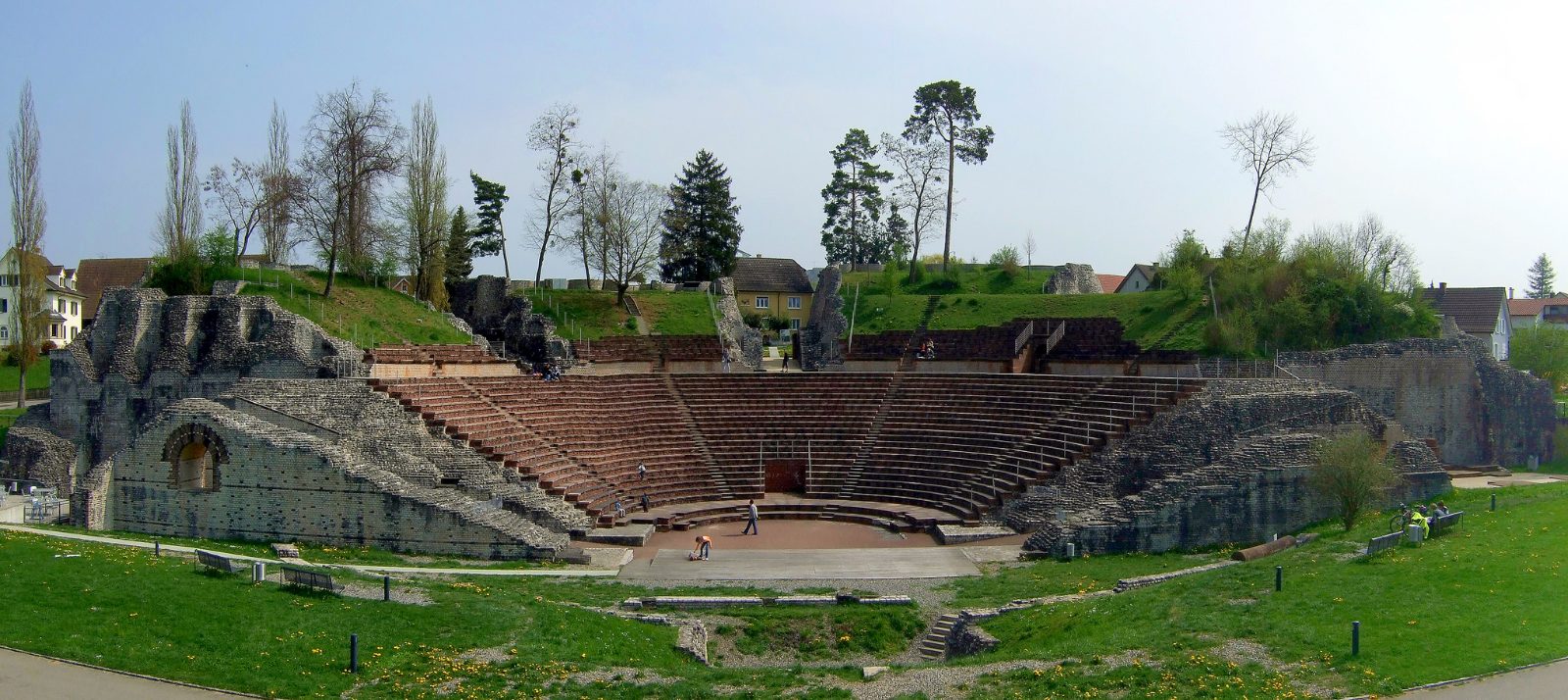
This archaeological site in Augst hosts the most significant Roman theater north of the Alps and provides a practical destination for a cycle tour.
35 min by train
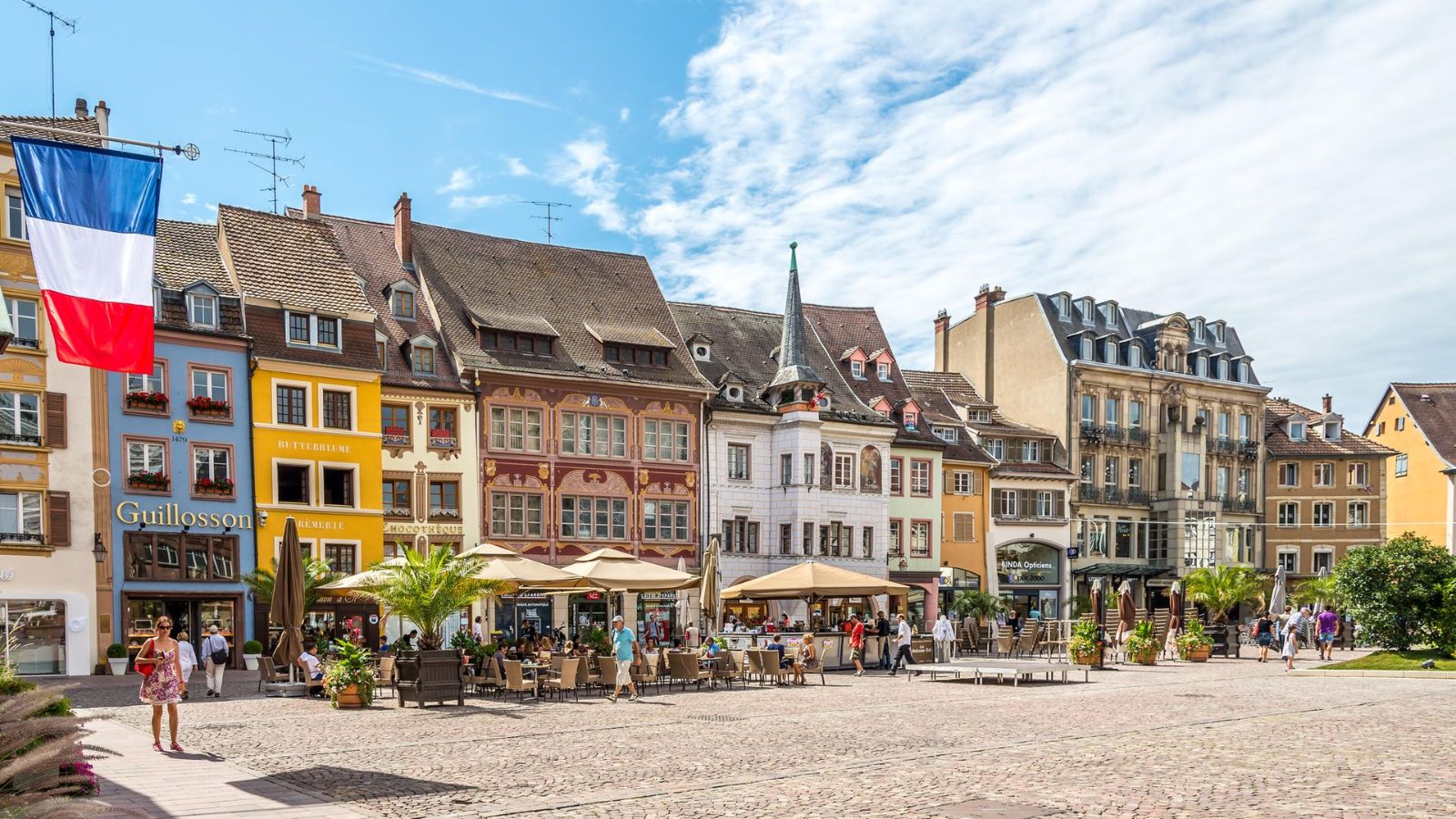
Known for its industrial heritage and extensive technical museums, Mulhouse offers a contrast to the art-focused cultural scene of Basel.
Everything you need to know about is basel worth visiting
Basel serves as an excellent destination for short stays due to its compact nature and rich cultural heritage. Many travelers find that the blend of medieval architecture and modern urban planning makes the city highly appealing for a quick getaway.
Key highlights include the Rhine riverbanks, the historic Old Town, and the prominent Basel Minster. These sites contribute significantly to why many visitors conclude that is basel worth visiting.
Cycling is a popular way to navigate the city, with extensive paths along the Rhine and through historic squares. Our guided bike tours offer an efficient way to cover these routes while learning about local history.
Entry to the city is free, though individual museums and cultural attractions may charge fees. Budgeting for these specific entrance costs will help you enjoy your visit to the fullest.
The best arrival window is between 09:00 and 17:00 to ensure you can access shops and cultural institutions during their peak operating hours. Planning your trip within this window allows for a productive exploration of the city.
Participating in a Basel bike tour allows you to cover more ground and see hidden corners often missed by pedestrians. It provides a unique perspective on the urban layout and riverfront charm.
With dozens of world-class institutions like the Kunstmuseum, the city is a premier destination for art enthusiasts. Many culture seekers decide that is basel worth visiting specifically to experience this concentration of galleries.